
Пропагандистская реклама является одной из самых мощных, неправильно понимаемых и недостаточно используемых концепций современного маркетинга. Маркетологи, которые понимают психологию, стоящую за ними, получают явное преимущество при разработке кампаний, которые превращают людей из пассивных скроллеров в преданных покупателей. В этом руководстве объясняется, что на самом деле означает пропагандистская реклама, какие методы ее используют и как можно этически и эффективно применять эти принципы.
Что на самом деле представляет собой пропагандистская реклама (и почему маркетологи ее неправильно понимают)
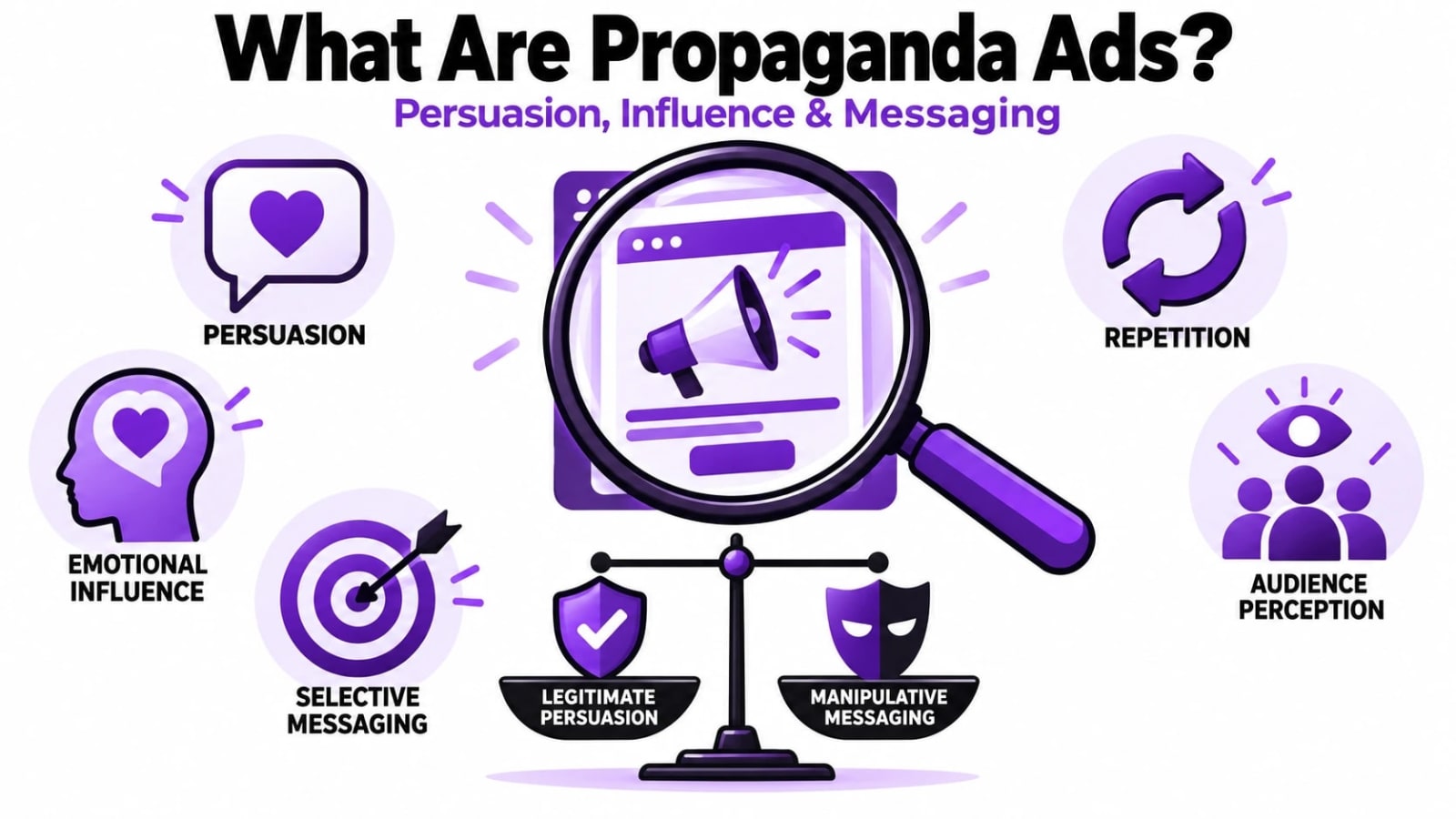
Слово «пропаганда» несет в себе тяжелый груз. Большинство людей представляют себе плакаты военного времени, авторитарные режимы или политические манипуляции, направленные на обман всего населения. Эта ассоциация заставляет многих маркетологов полностью отвергать эту концепцию, что является дорогостоящей ошибкой.
В своем первоначальном академическом смысле пропаганда просто означает организованное распространение информации или идей, призванное повлиять на мнения и поведение. В этом определении нет ничего зловещего. Каждая политическая кампания, каждое социальное дело и да, каждая коммерческая реклама пытается сделать именно это: изменить то, как вы думаете, чувствуете или действуете.
Пропагандистская реклама вмаркетингКонтекст — это реклама, в которой намеренно используются психологические и эмоциональные методы убеждения для формирования восприятия аудитории. Они не полагаются исключительно на характеристики продукта или рациональные аргументы. Вместо этого они задействуют эмоции, социальную идентичность, авторитет, страх и желание, чтобы бренд, продукт или сообщение выглядели актуальными и необходимыми.
Недоразумение возникает из-за смешения метода и намерения. Методы пропаганды могут использоваться для нечестного манипулирования или для более эффективной передачи истинного сообщения. Благотворительная организация, использующая эмоциональные рассказы для сбора пожертвований, использует методы пропаганды. Так же и бренд газированных напитков, ассоциирующий свой напиток со счастьем и дружбой. Ни то, ни другое по своей сути не является обманчивым, если лежащее в его основе утверждение честно.
Для маркетологов реальный вывод заключается в следующем: методы пропаганды уже существуют в рекламе, которая окружает вашу аудиторию каждый божий день. Игнорирование их не защитит ваши кампании от их влияния. Их изучение позволит вам контролировать то, как вы общаетесь, и поможет вам распознавать, когда конкуренты или платформы используют их против ваших интересов.
Чтобы понять «Пропагандистскую рекламу: полное руководство для маркетологов», полезно сравнить то, что вы видите в данных, и какие действия вам нужно предпринять дальше.
7 основных методов пропаганды, используемых в современной рекламе
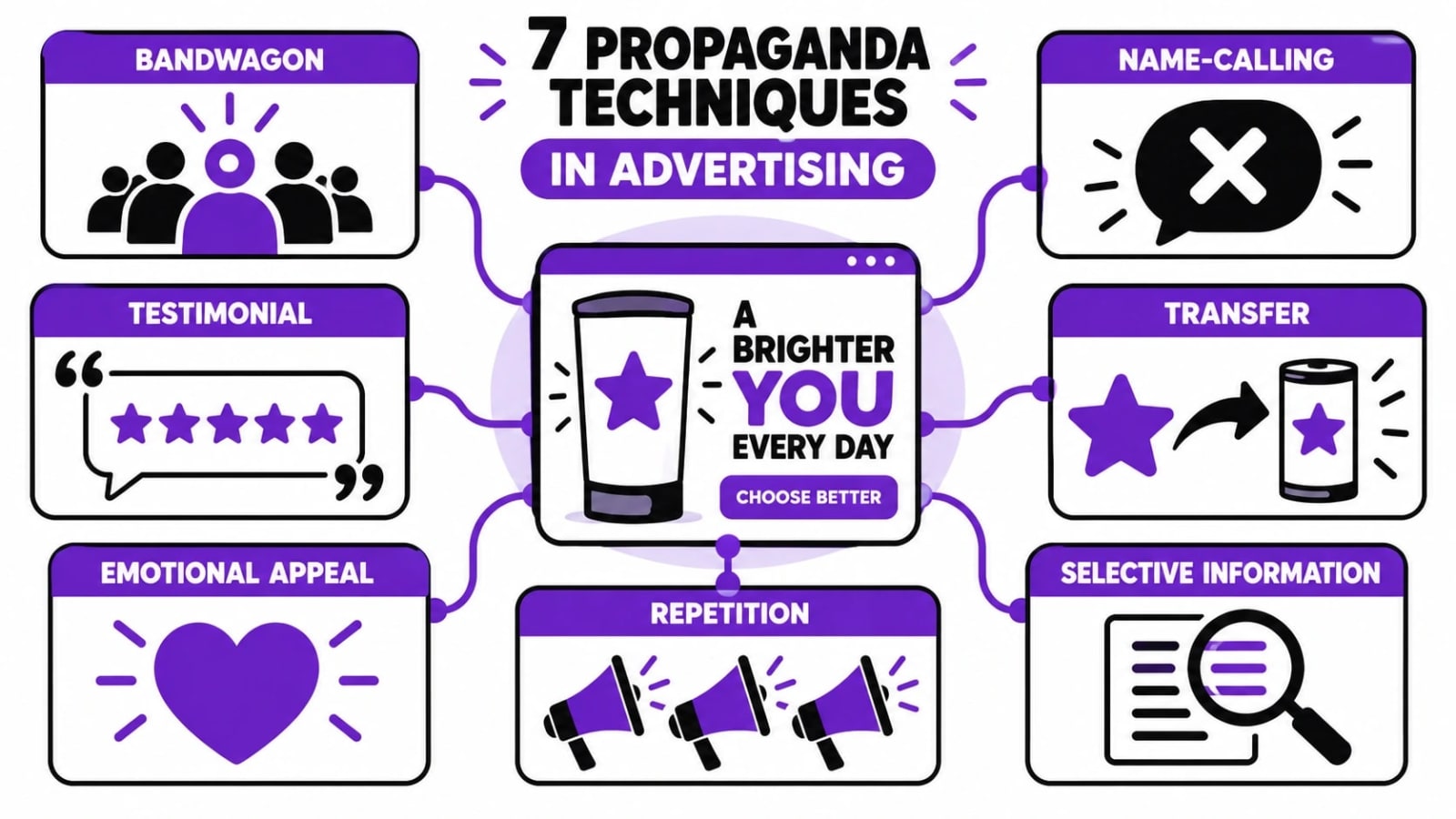
Исследователи и историки десятилетиями каталогизировали методы пропаганды. Институт пропагандистского анализа, основанный в 1937 году, определил семь основополагающих методов, которые сегодня остаются чрезвычайно актуальными в цифровой рекламе. Вот каждый из них, объясненный с точки зрения современного маркетинга.
1. Победитель
Техника подножия говорит вашей аудитории, что все уже присоединились, и они рискуют остаться позади, если не присоединятся. В рекламе это проявляется как социальное доказательство: миллионы обслуженных клиентов, этикетки-бестселлеры, значки популярных продуктов и количество пятизвездочных отзывов отображаются на видном месте. Психологический фактор — это страх упустить выгоду в сочетании с комфортом конформизма. Люди доверяют выбору, который уже подтвержден другими.
2. Свидетельство
Отзывы придают продукту или сообщению заслуживающую доверия или вызывающую восхищение фигуру. Это может быть одобрение знаменитости, цитата отраслевого эксперта или релевантный отзыв клиента. Убеждение работает, потому что аудитория переносит доверие или восхищение, которые они испытывают к этому человеку, на бренд. Маркетинг влияния — это, по сути, техника отзывов, переработанная для социальных сетей в больших масштабах.
3. Простые люди
Техника простых людей позиционирует бренд, продукт или представителя как обычного, узнаваемого и похожего на аудиторию. Политические кандидаты пожимают руки посетителям ресторана. Руководители компаний публикуют в LinkedIn случайный, нефильтрованный контент.Брендыиспользуйте фотографии реальных клиентов вместо готовых стоковых изображений. Цель состоит в том, чтобы ликвидировать дистанцию между брендом и покупателем, сигнализируя об общих ценностях и общем опыте.
4. Складывание карточек
Составление карточек означает представление только той информации, которая поддерживает вашу позицию, при этом опуская или преуменьшая значение того, что не поддерживает. В рекламе это проявляется в сравнительных таблицах, которые подчеркивают ваши сильные стороны по сравнению со слабостями конкурентов, в визуальных изображениях «до» и «после», показывающих наилучшие результаты, а также на страницах с ценами, на которых ваше предложение представлено как очевидный выбор. Если использовать этически, это означает подчеркивание подлинных преимуществ. При неправильном использовании оно вводит в заблуждение из-за упущения.
5. Трансфер
Перенос придает престиж, авторитет или эмоциональный вес одной вещи другой. Люксовые бренды фотографируют товары в необычной обстановке. Фирмы финансовых услуг используют образы стабильности, семьи и роста. Спортивные бренды ассоциируют себя с элитными спортсменами, поэтому спортивное мастерство передается каждому, кто покупает обувь. Символ несет в себе смысл, и реклама заимствует это значение для продукта.
6. Блестящие общие положения
Блестящие обобщения — это эмоционально привлекательные фразы, которые звучат осмысленно, но их трудно определить или оспорить. Такие слова, как «свобода», «инновация», «доверие», «качество» и «натуральность», постоянно появляются в рекламе, поскольку они вызывают положительные ассоциации, не делая при этом конкретных, поддающихся проверке заявлений. Они заставляют аудиторию чувствовать себя хорошо по отношению к бренду, не требуя от бренда каких-либо конкретных доказательств.
7. Обзывательство
В обзывательстве используются негативные ярлыки для дискредитации конкурирующей идеи, продукта или поведения. В рекламе к этому методу обычно применяют осторожно, чтобы избежать прямых нападок, но он проявляется в сравнительных кампаниях, в сообщениях, в которых конкурирующие подходы представляются устаревшими или рискованными, а также в рекламе, в которой проблема, такая как медленное программное обеспечение, плохое питание или напрасные расходы на рекламу, позиционируется как нечто такое, с чем вашей аудитории должно быть неловко мириться. Аудитории предлагается отвергнуть обозначенную проблему и вместо этого выбрать рекламируемое решение.
Эти семь методов не являются пережитками доцифровой эпохи. Они являются основой рекламных баннеров, видеороликов, спонсируемых постов в социальных сетях и кампаний по электронной почте, которые проводятся прямо сейчас. В следующих разделах вы узнаете, как они соотносятся с конкретными форматами рекламы и как ответственно строить на их основе кампании.
Как методы пропагандистской рекламы сопоставляются с современной рекламной воронкой
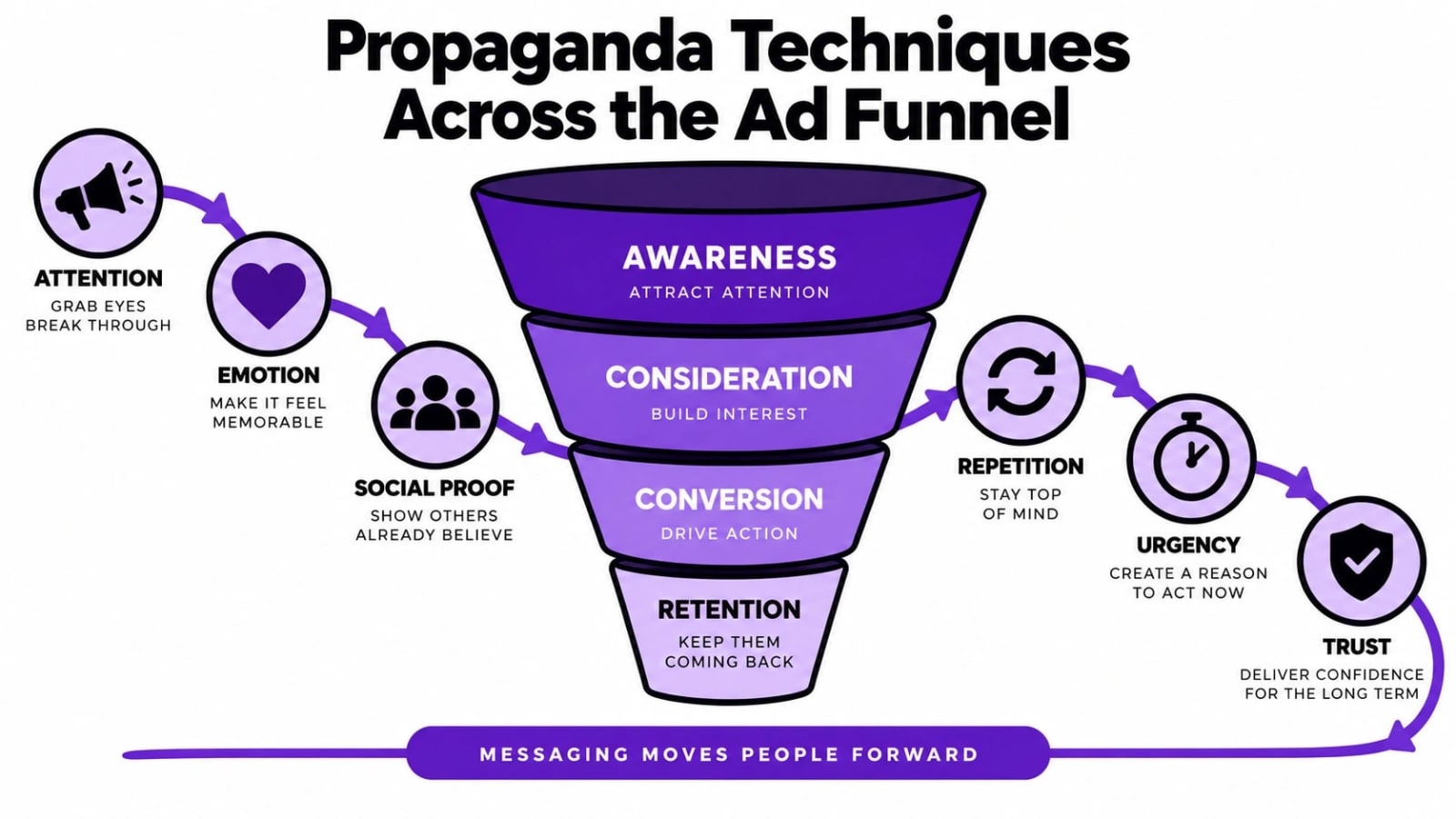
Каждый этап маркетинговой воронки по-разному реагирует на механизмы убеждения, и методы пропаганды не являются исключением. На этапе осведомленности лучше всего работают широкие эмоциональные призывы, поскольку у пользователей нет никаких предварительных отношений с вашим брендом. Такие методы, как обмен сообщениями и передача простых людей (связывание вашего продукта с широко пользующимися доверием символами или ценностями), создают первоначальное знакомство, не требуя от зрителя больших когнитивных затрат. Цель здесь не в конвертации, а в том, чтобы бренд почувствовал себя в безопасности и узнаваемым, прежде чем будут требоваться какие-либо обязательства.
По мере того, как потенциальные клиенты переходят на стадию рассмотрения, подход убеждения должен быть ужесточен. Именно здесь методы социального доказательства и поддержки имеют наибольший вес. Демонстрация того, что тысячи клиентов уже приняли решение, снижает воспринимаемый риск и делает выбор социально обоснованным. Отзывы, количество обзоров и «самые популярные» ярлыки — все это механизмы успеха, облаченные в современную UX-одежду. На этапе принятия решения сигналы дефицита и сигналы власти замыкают цикл, подталкивая пользователя от интереса к действию, рассматривая бездействие как цену, а не как нейтральное умолчание.
| Этап воронки | Метод наилучшего соответствия | Основная цель | Пример формата |
|---|---|---|---|
| Осведомленность | Трансфер / Простые люди | Укрепить знакомство и доверие | Брендовое видео, медийная реклама |
| Рассмотрение | Победа / Социальное доказательство | Снизить предполагаемый риск | Рекламные объявления, карусели отзывов |
| Решение | Дефицит/Авторитет | Вызов немедленного действия | Таймеры обратного отсчета, экспертные заключения |
| Удержание | Складывание карт / Призыв к страху | Укрепите лояльность и предотвратите отток клиентов | Последовательность электронных писем, напоминания о продлении |
Удержание — это приложение, о котором часто забывают. Составление карточек, которое предполагает представление только самых сильных преимуществ использования продукта, хорошо работает в кампаниях по обновлению. Основанное на страхе представление о том, что клиент может потерять, уйдя, может быть столь же эффективным, если использовать его экономно. Сопоставление правильной техники с правильным моментом — это то, что отличает кампании, приносящие конверсию, от кампаний, которые просто генерируют показы.
Этические границы в пропагандистской рекламе: где заканчивается убеждение и начинается манипулирование
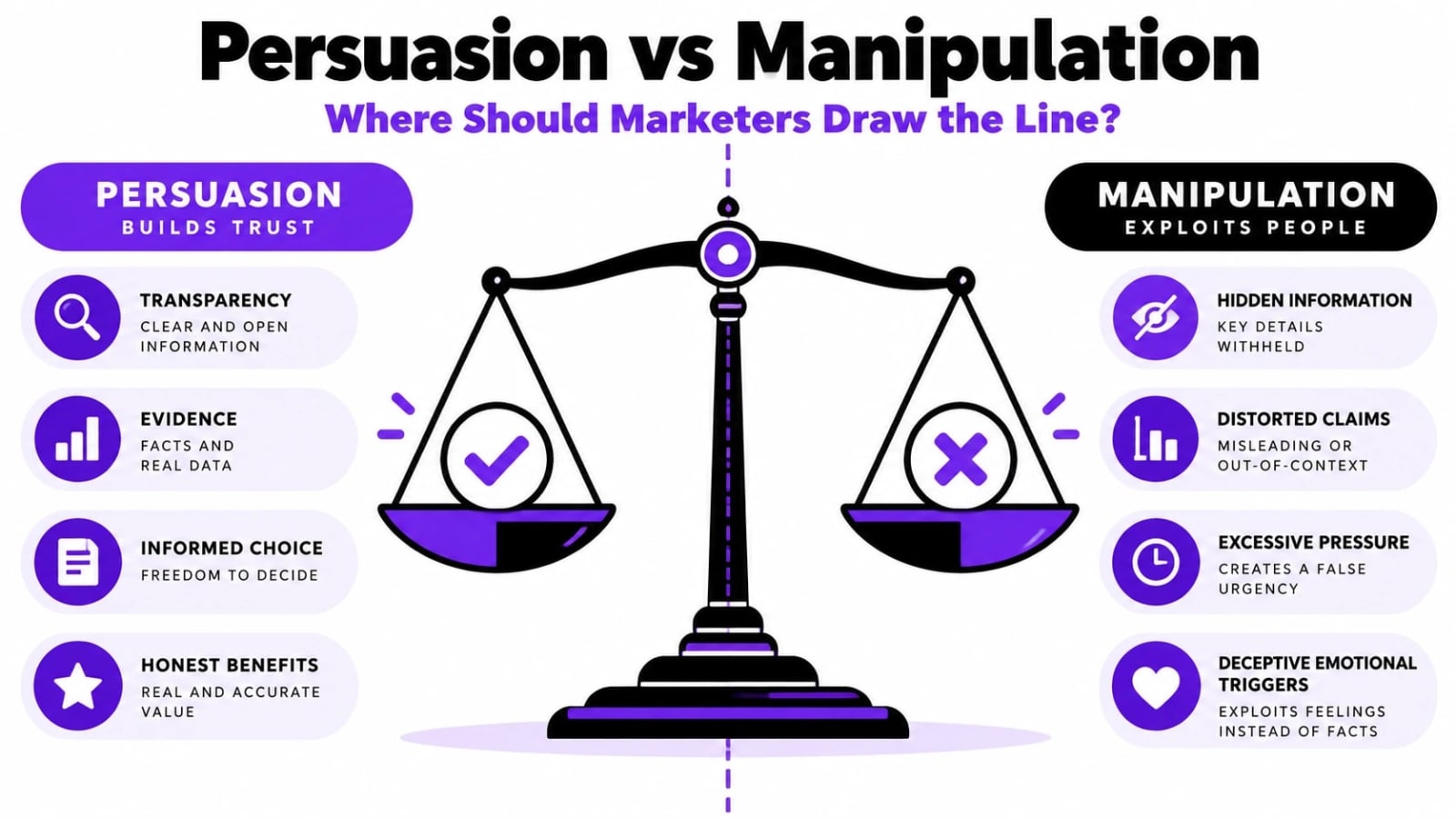
Различие между убеждением и манипуляцией не всегда очевидно, но оно всегда важно. Убеждение дает аудитории точную информацию, структурированную таким образом, чтобы она воздействовала на эмоции или личный интерес. Манипуляция искажает, опускает или фабрикует информацию для принятия решения, которое аудитория не приняла бы, если бы была полностью информирована. Во-первых, это законный маркетинговый инструмент. Второе влечет за собой реальные юридические, репутационные и этические последствия, которые не может оправдать никакой краткосрочный коэффициент конверсии.
Некоторые конкретные практики переходят этическую черту, независимо от того, насколько распространены они в цифровой рекламе. Маркетологам следует быть особенно осторожными в отношении следующего:
- Ложная редкость:Отображение «осталось только 2» при большом количестве товаров является обманом и все чаще преследуется регулирующими органами по защите прав потребителей.
- Сфабрикованное социальное доказательство:Поддельные отзывы, завышенное количество загрузок или показатели купленных подписчиков искажают качество продукта юридически обоснованным образом.
- Вводящий в заблуждение авторитет:Ссылки на неназванных «экспертов» или намеки на клиническую поддержку без доказательств нарушают рекомендации FTC на большинстве рынков.
- Эксплуататорский страх привлекает:Усиление беспокойства по поводу здоровья или безопасности без фактической основы для продажи непроверенной продукции неэтично и жестко регулируется.
Полезный практический тест — спросить, почувствует ли аудитория, увидев рекламу и купив продукт, себя информированной или обманутой. Этическая пропагандистская реклама оставляет у клиентов ощущение, что убеждение соответствует действительности. Когда существует разрыв между тем, что подразумевала реклама, и тем, что дал продукт, доверие быстро разрушается, а в эпоху публичных обзоров и социальных сетей это разрушение является постоянным и очень публичным.
Написание пропагандистского рекламного текста, который конвертирует: практическая основа
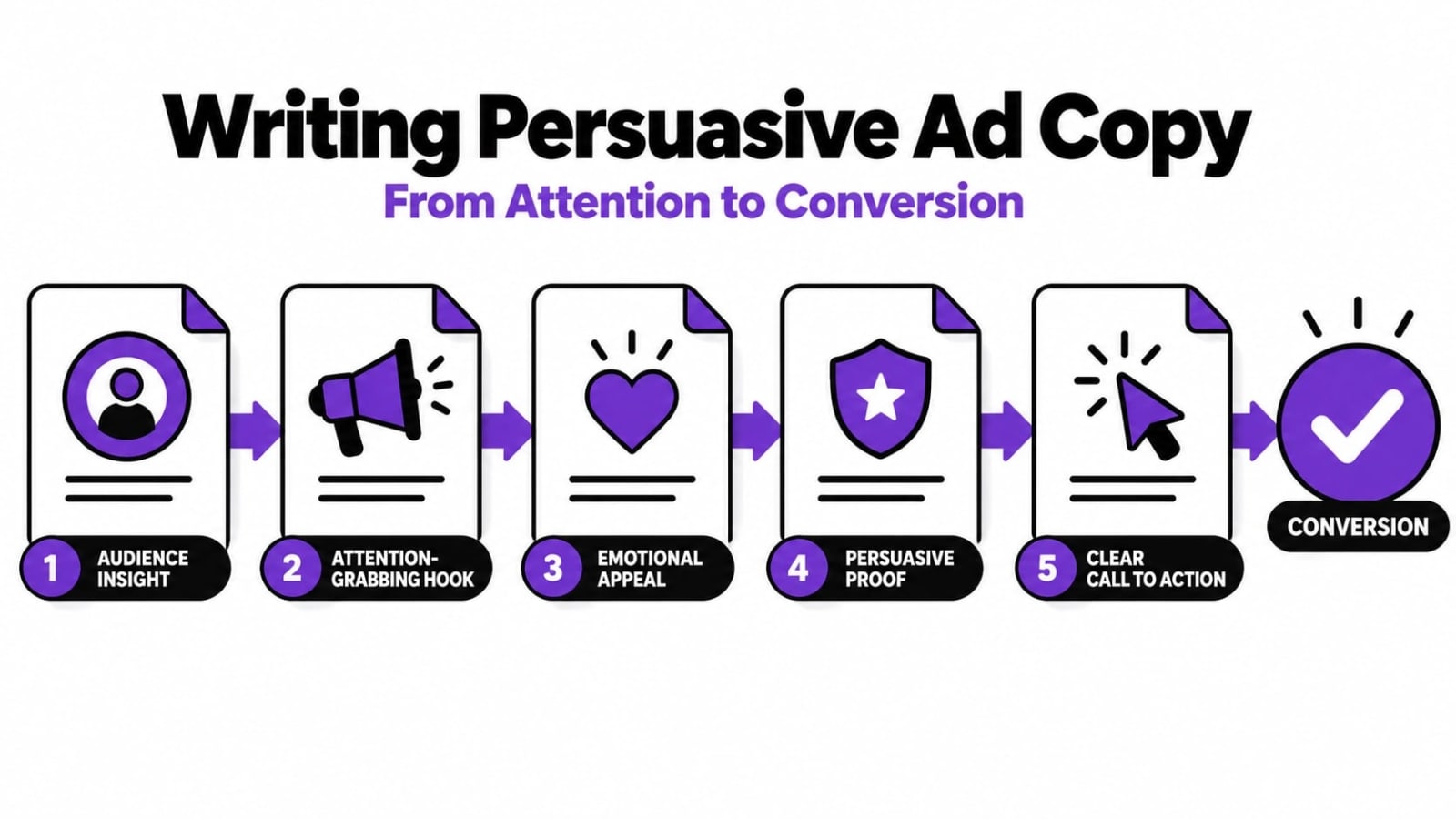
Сильный рекламный текст в пропагандистском стиле построен на трех структурных столпах: эмоциональном якоре, сигнале доверия и импульсной фразе. Эмоциональный якорь связывает продукт с чем-то, что уже глубоко волнует аудиторию, будь то безопасность, принадлежность, амбиции или идентичность. Сигнал достоверности подтверждает эмоциональное утверждение фактом, цифрой, узнаваемым источником или реальным голосом клиента. Фраза «импульс» разрушает колебания, делая следующий шаг очевидным и безопасным, а не требующим усилий.
При написании текста последовательность этих элементов имеет такое же значение, как и сами элементы. Эмоциональное руководство, поддержка доказательствами и завершение простым призывом к действию соответствует тому, как на самом деле принимаются решения. Люди сначала чувствуют, потом оправдывают и действуют, когда путь свободен. Текст, который меняет этот порядок, начиная с особенностей и заканчивая эмоциональной подачей, имеет тенденцию быть неэффективным, потому что он борется с естественным процессом принятия решений, а не работает с ним.
| Копировать элемент | Функция | Слабая версия | Сильная версия |
|---|---|---|---|
| Эмоциональный якорь | Создает личную значимость | «Наше программное обеспечение эффективно». | «Хватит тратить время на инструменты, которые созданы не для вас». |
| Сигнал доверия | Подтверждает эмоциональное утверждение | «Многим пользователям это нравится». | «Оценка 4,9 звезды от 12 000 проверенных пользователей». |
| Фраза импульса | Уменьшает трение в момент принятия решения | «Нажмите здесь, чтобы узнать больше». | «Начните бесплатно сегодня, карта не требуется». |
Последовательное применение этой концепции к форматам рекламы, от коротких текстов для социальных сетей до более длинных поисковых объявлений и заголовков на целевых страницах, создает последовательный опыт убеждения. Каждая точка соприкосновения усиливает один и тот же эмоциональный и рациональный аргумент, создавая совокупное убеждение, а не начиная с нуля каждый раз, когда потенциальный клиент видит новую рекламу. Этот метод становится наиболее эффективным, когда сообщение последовательно, но формат адаптируется к тому, на каком этапе процесса принятия решения находится аудитория.
Измерение эффективности пропагандистской рекламы: важные показатели
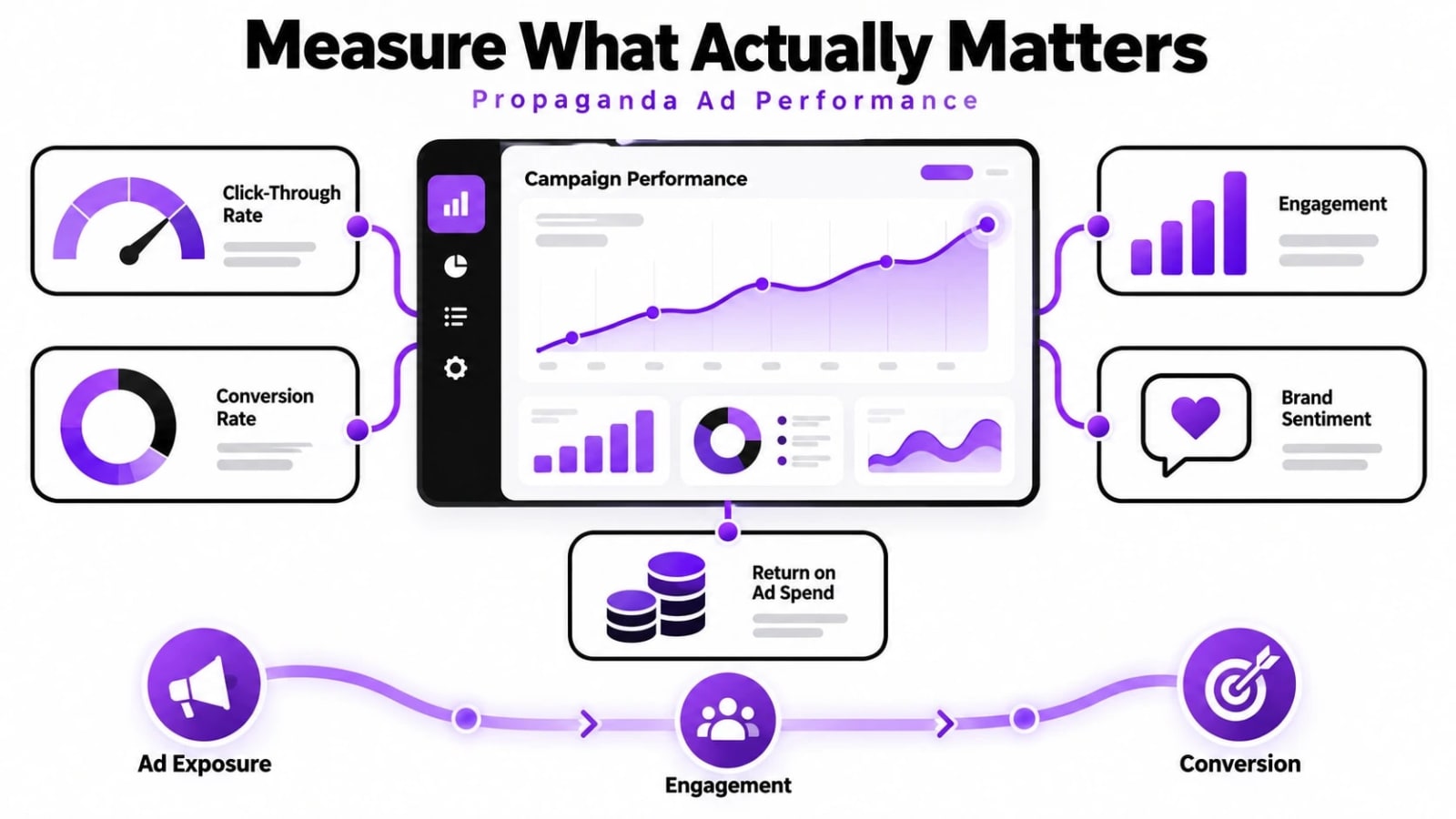
Запуск пропагандистской рекламы без отслеживания нужных цифр — это все равно, что стрелять из лука в темноте. Эмоциональная интенсивность, которую несет в себе эта реклама, может повысить краткосрочное взаимодействие и одновременно незаметно подорвать долгосрочное доверие к бренду. Знание того, какие показатели следует отслеживать, сделает ваши кампании прибыльными и устойчивыми.
Наиболее полезные сигналы эффективности делятся на две категории: показатели немедленного реагирования и последующие показатели здоровья бренда.
Показатели немедленного ответа
- Рейтинг кликов (CTR):Эмоционально заряженные объявления обычно повышают CTR выше контрольных показателей категории. Внезапное падение сигнализирует о том, что ваше сообщение потеряло резонанс или перешло на территорию недоверия.
- Коэффициент конверсии по методике:Отследите, какой метод пропаганды (подвижник, призыв к страху или авторитет) приводит к наиболее совершенным покупкам. Ответ часто удивляет маркетологов.
- Цена за приобретение (CPA):Пропагандистский текст обычно снижает цену за конверсию на вершине воронки. Следите за тем, сохранится ли экономия до окончательной конверсии или испарится в середине воронки продаж.
- Глубина прокрутки и скорость завершения видео:Высокая эмоциональная привлекательность должна дольше удерживать пользователей. Падение показателей завершения указывает на то, что ваша зацепка сильна, но ваши устойчивые аргументы слабы.
- Поделиться и сохранить скорость:Контент, основанный на сильных социальных доказательствах или простом общении, имеет тенденцию распространяться. Акции расширяют охват без дополнительных затрат.
Показатели здоровья бренда в сфере переработки и переработки
- Движение Net Promoter Score (NPS):Следите за падением NPS в течение нескольких недель после мощной пропагандистской кампании. Снижение оценок сигнализирует о том, что убеждение скатывается к манипулированию восприятием вашей аудитории.
- Объем поиска бренда:Эффективная пропагандистская реклама вызывает любопытство. Рост брендового поиска показывает, что кампания вызывает подлинный интерес, а не просто мимолетные клики.
- Уровень возврата клиентов:Клиенты, которые совершили конверсию под давлением страха или срочности, но чей фактический опыт использования продукта был положительным, вернутся. Снижение количества повторных покупок говорит о том, что реклама слишком многообещающая.
- Анализ настроений на основе обзоров и упоминаний в социальных сетях:Ищите языковые модели. Такие слова, как «обманули» или «ввели в заблуждение», чаще появляющиеся после кампании, являются явным предупреждающим знаком.
| Метрика | Что он измеряет | Здоровый эталонный сигнал |
|---|---|---|
| CTR | Сила эмоционального крючка | Средний CTR выше категории |
| Коэффициент конверсии по методике | Эффективность методики на каждом этапе воронки | Улучшение за 3 цикла испытаний |
| Движение НПС | Долгосрочное влияние на доверие | Стабильный или растущий после кампании |
| Объем поиска бренда | Осведомленность и искреннее любопытство | Тенденция к росту во время кампании |
| Уровень возврата клиентов | Согласование обещаний и выполнения | Соответствует исходному состоянию до начала кампании |
Реальные применения: методы пропаганды в форматах рекламы
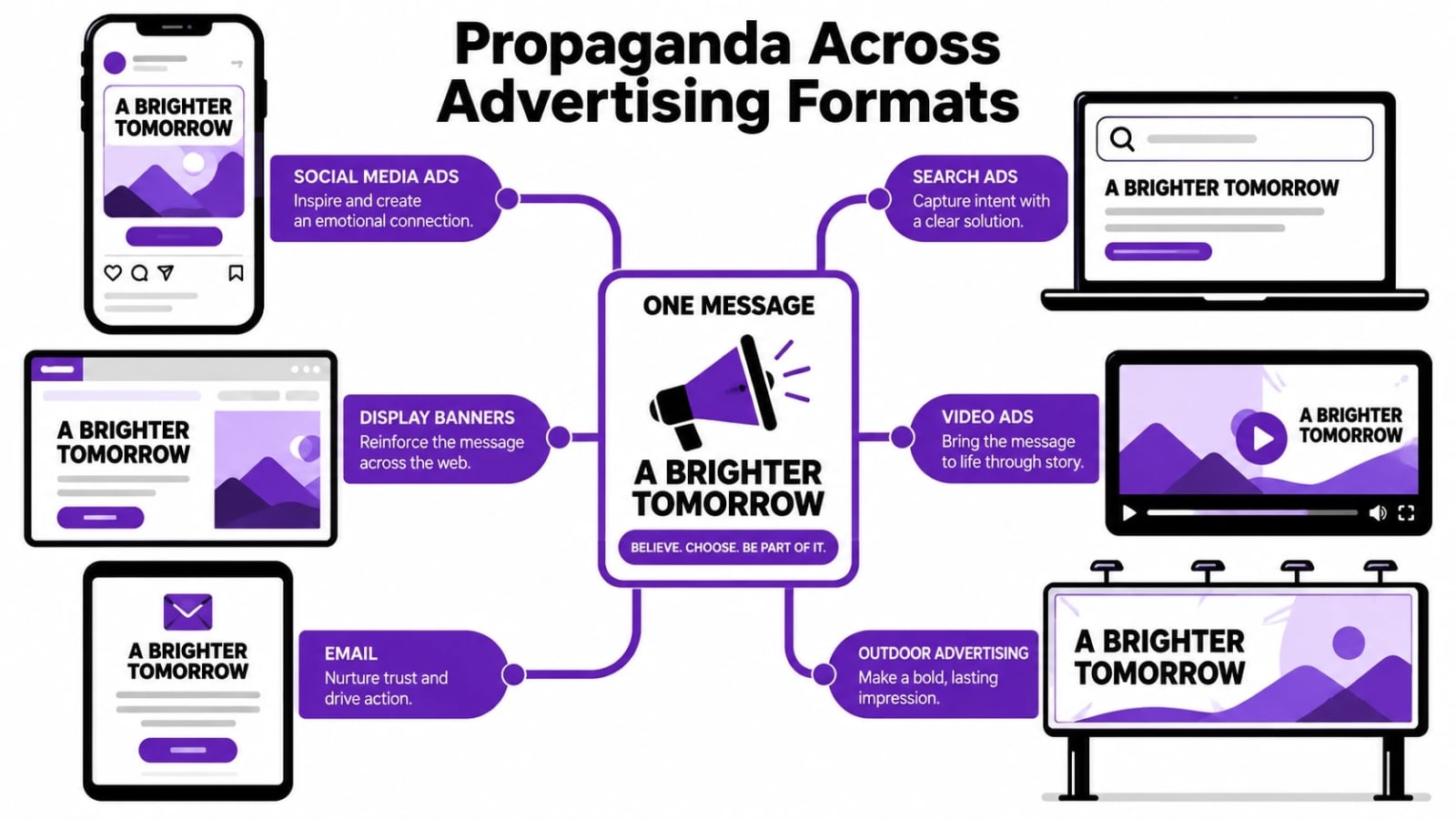
Методы пропаганды не одинаково эффективны для всех форматов рекламы. Формат определяет, какие психологические триггеры действуют сложнее всего. Соответствие техники формату — один из наиболее практических навыков, которые может развить перформанс-маркетолог.
Реклама в социальных сетях
- Bandwagon работает исключительно хорошона социальных платформах, где уже видна активность сверстников. Отображение количества подписчиков, репостов или объема пользовательского контента естественным образом вписывается в среду ленты.
- Обрамление простых людейпроцветает в Instagram и TikTok, где качественный корпоративный контент все чаще игнорируется. Аутентичный креатив с реальными голосами клиентов превосходит рекламу, созданную студией, в большинстве потребительских категорий.
- Призывы к страхуследует использовать с осторожностью в социальных контекстах. Алгоритмы Meta и TikTok наказывают за чрезмерно негативный эмоциональный контент в платных размещениях.
Поисковые объявления
- Техника переносаБлагодаря авторитетным сигналам, таким как названия наград, сертификационные значки, упомянутые в рекламных текстах, и названия надежных публикаций, повышается рейтинг кликов по спискам конкурентов.
- Складывание картпрактически создан для копирования поисковых объявлений. При ограниченном количестве символов избирательное представление только ваших самых сильных преимуществ не является манипуляцией; это хороший копирайтинг.
- Блестящие общие слованужно осторожно использовать при поиске. Расплывчатые превосходные степени съедают пространство в заголовках, которое конкретные утверждения могли бы заполнить более эффективно.
Видеореклама
- Техники свидетельств и простых людейявляются основой высокоэффективного видеокреатива. Реальные люди, рассказывающие реальные истории, неизменно превосходят сценарии, написанные в стиле докладчиков.
- Последовательности страха и эмоциональной привлекательностихорошо работают с более длинными видеоформатами (от 30 до 60 секунд), когда у вас есть время создать напряжение, а затем разрешить его с помощью своего продукта в качестве ответа.
- Обзывательство, напротив,, представляющий общую альтернативу как худшую, не называя ее напрямую, можно использовать в видео, чтобы позиционировать свой бренд без юридического риска.
Кампании по электронной почте
- Дефицит и срочностьостаются наиболее высококонверсионными пропагандистскими инструментами в электронном маркетинге. Темы, построенные на ограниченном по времени кадре, неизменно превосходят информационные темы в A/B-тестах.
- Передача полномочийИспользование в поле имени отправителя имени признанного эксперта, а не бренда, может повысить открываемость на двузначные цифры в некоторых нишах.
- Социальное доказательствов тексте электронного письма, например «Присоединяйтесь к 47 000 подписчиков, которые уже используют это», привязывает нерешительных читателей к предполагаемому поведению большинства.
Создание рекламной стратегии, основанной на пропаганде, без сжигания вашего бренда
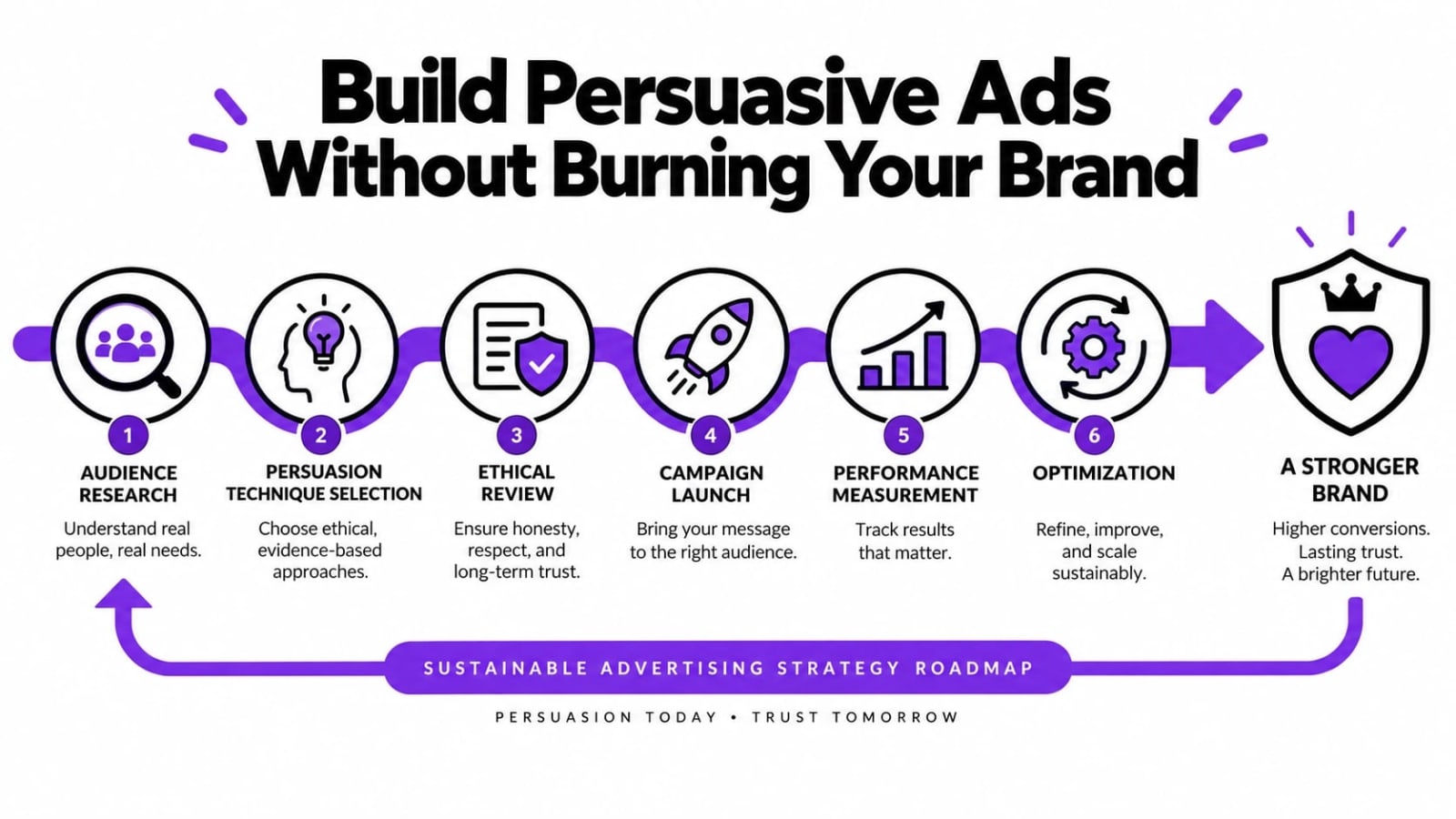
Самая большая ошибка, которую маркетологи допускают при использовании методов пропаганды, — это отношение к ним как к инструменту на уровне кампании, а не как к долгосрочной стратегической структуре. Кратковременные всплески конверсии, основанные на эмоциональном манипулировании, создают аудиторию, которая вам не доверяет, быстро уходит и оставляет отрицательные отзывы. Стратегия, основанная на пропаганде и уважающая вашу аудиторию, вместо этого приносит совокупную прибыль.
Начните с составления карты психологии аудитории
- Прежде чем выбрать технику, определите доминирующее эмоциональное состояние вашей аудитории в момент, когда она видит вашу рекламу. Являются ли они тревожными, амбициозными, скептически настроенными или любопытными? Эмоциональный контекст определяет, какая техника будет выглядеть убедительной, а какая настойчивой.
- Опросите существующих клиентов о том, что почти остановило их от покупки. Их колебания показывают, какая именно техника пропаганды устраняет настоящий барьер.
- Сегментация по этапам воронки. Холодная публика реагирует на подножку и простых людей. Теплая аудитория реагирует на авторитет и страх упустить что-то важное. Аудитория ретаргетинга реагирует на отзывы и дефицит.
Включите ротацию техники в свой календарь
- Повторное использование одной и той же техники притупляет ее эффект. Аудитория адаптируется к эмоциональным моделям быстрее, чем ожидает большинство маркетологов.
- Меняйте основную технику каждые четыре-шесть недель. Сочетайте ротацию со свежим креативом, чтобы смена техники не казалась вернувшимся зрителям резкой.
- Ведите простой журнал, в котором будет указано, какой метод использовался в течение какого периода, вместе с данными о конверсиях. Закономерности возникают быстро и служат основой для более разумного выбора в будущем.
Соедините каждую технику пропаганды с якорем правды
- Каждое эмоционально заряженное утверждение должно быть связано с поддающимся проверке фактом. Призыв к страху должен опираться на реальную статистику. В заявлении о победе должно быть указано фактическое количество клиентов. При передаче полномочий должны быть указаны настоящие полномочия.
- Якоря правды защищают вас на законных основаниях, удовлетворяют все более скептически настроенную аудиторию и улучшают эффективность рекламы на платформах, которые поощряют обоснованные заявления в своих системах оценки качества.
- Думайте о якорях истины как о структурной стали внутри эмоциональной архитектуры вашей рекламы. Эмоция привлекает внимание; этот факт подтверждает утверждение.
| Элемент стратегии | Краткосрочная выгода | Долгосрочная выгода |
|---|---|---|
| Картирование психологии аудитории | Более высокие начальные оценки релевантности | Снижение усталости от рекламы с течением времени |
| Техника вращения | Устойчивый CTR на протяжении всей кампании | Более широкая эмоциональная связь с аудиторией |
| Закрепление истины | Более высокие показатели качества рекламной платформы | Устойчивое доверие к бренду и уровень повторных покупок |
| Сегментация на этапе воронки | Снижение цены за конверсию при холодном трафике | Более высокая пожизненная ценность от ретаргетинговых покупателей |
Заключение
Методы пропаганды не являются по своей сути нечестными и не являются исключительной территорией политических кампаний или плакатов военного времени. Они представляют собой структурированный набор психологических принципов, которые описывают, как люди на самом деле принимают решения в реальных условиях. Маркетологи, которые понимают эффект «подвижного движения», призывы к страху, передачу полномочий и остальной набор инструментов, не учатся обманывать людей. Они учатся говорить на эмоциональном языке, который их аудитория уже использует, когда решает, что покупать, доверять и рекомендовать. Разница между манипуляцией и убеждением сводится к одной переменной: действительно ли продукт или услуга, которые вы продаете, соответствуют тому, что обещает эмоциональное оформление.
Практический путь вперед прост. Прежде чем выбирать технику, составьте карту эмоционального состояния аудитории. Техники вращения, чтобы предотвратить усталость. Привязывайте каждое эмоциональное утверждение к поддающейся проверке истине. Отслеживайте не только показатели конверсии, но и показатели состояния вашего бренда с течением времени. Если вы будете применять эти принципы последовательно и честно, реклама, основанная на пропаганде, станет одним из самых мощных и повторяемых инструментов роста, доступных любому цифровому маркетологу. Начните с одного метода, протестируйте его на своей текущей копии и позвольте данным определять каждый последующий шаг.
Часто задаваемые вопросы
Законны ли пропагандистские приемы в рекламе?
Да, в большинстве случаев. Такие методы, как «победа», отзывы и призывы к страху, являются стандартными методами убеждения, используемыми во всех отраслях. Они становятся проблематичными с юридической точки зрения только тогда, когда включают ложные утверждения, сфабрикованную статистику или вводящие в заблуждение рекомендации, которые нарушают рекомендации Федеральной торговой комиссии или законы о защите потребителей на вашем рынке.
Какой метод пропаганды электронной коммерции является наиболее эффективным?
Методы поддержки и дефицита неизменно наиболее эффективны в электронной коммерции. Демонстрация реального количества клиентов, объемов отзывов или ограниченного уровня запасов способствует как социальному доказательству, так и неприятию потерь. Сочетание этих двух методов в одном объявлении, особенно в кампаниях с ретаргетингом, как правило, дает самый высокий рост конверсии.
Как мне не перейти грань от убеждения к манипуляции?
Самый четкий тест — обеспечивает ли ваш продукт то, что подразумевает эмоциональное оформление. Если ваш призыв к страху предупреждает о реальном риске, который действительно решает ваш продукт, то это этическое убеждение. Если страх преувеличен или решение слабое, это манипуляция. Всегда привязывайте эмоциональные утверждения к поддающимся проверке фактам.
Могут ли малые предприятия эффективно использовать методы пропагандистской рекламы?
Абсолютно. Малому бизнесу легче реализовать аутентичное формулирование и методы предоставления отзывов, чем крупным брендам. Реальные истории основателей, подлинные отзывы клиентов и социальные доказательства на уровне сообщества не требуют большого бюджета. Они часто превосходят дорогие студийные креативы на местных и нишевых рынках.
Как часто мне следует менять методы пропаганды, которые я использую в своих объявлениях?
Меняйте основной метод каждые четыре-шесть недель, чтобы предотвратить утомление аудитории. Еженедельно отслеживайте CTR и вовлеченность. Падение более чем на 20 процентов от исходного уровня в течение двух недель подряд является надежным сигналом о том, что ваша нынешняя техника себя исчерпала и необходим новый подход.